
The Avatar Era is Over: The history of Xbox 360 avatars
Did you know Rare, the team behind GoldenEye 007, Banjo-Kazooie, and Viva Piñata built the Xbox 360's avatars?
The Xbox 360 avatars were first unveiled at E3 2008 and launched that November as the centerpiece of the New Xbox Experience update. The system replaced the flat, static gamerpic with a customizable 3D figure, adjustable body type, face, hair, clothing, and props, all built and animated by Rare's team, years after the studio first started experimenting with the idea internally.
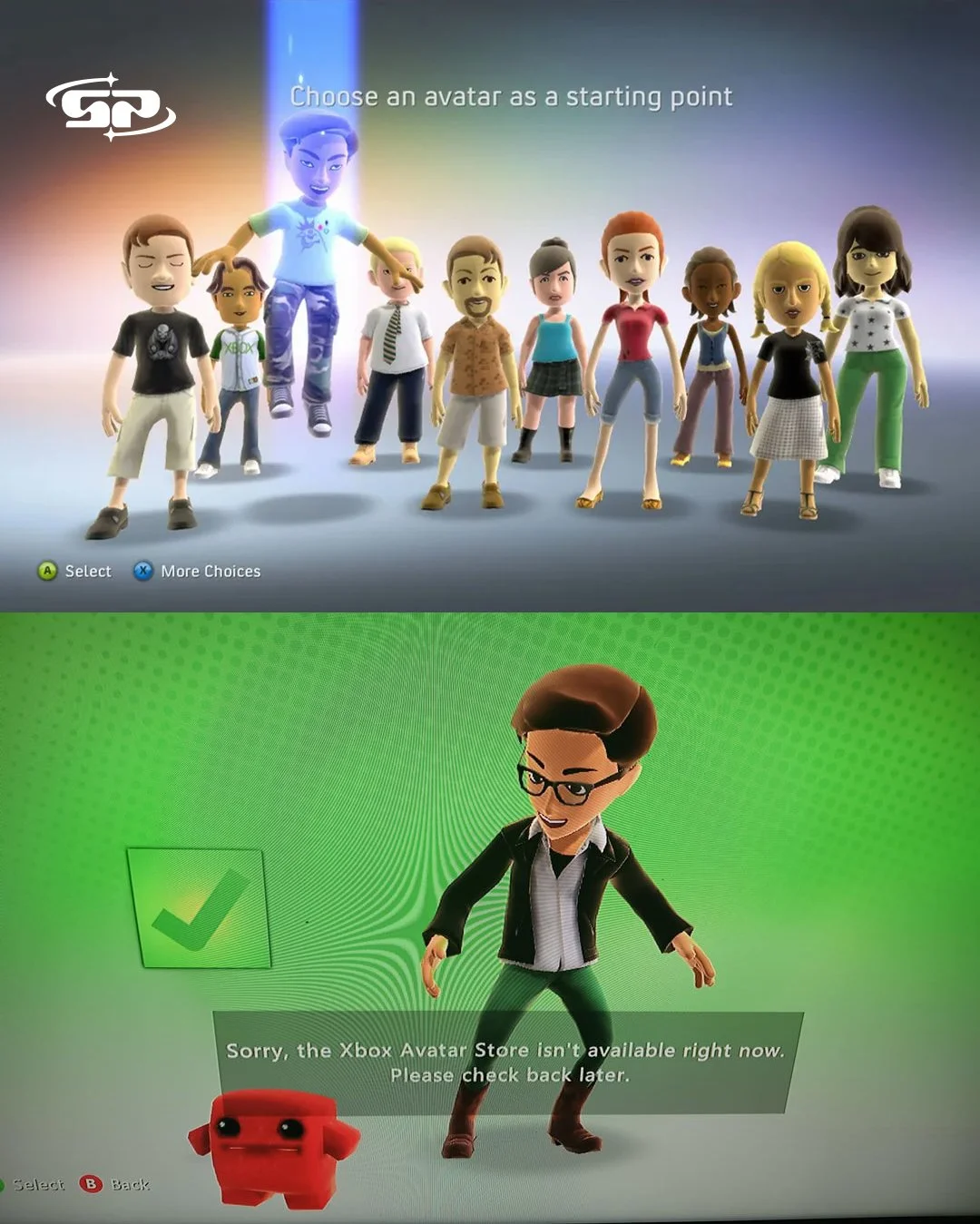
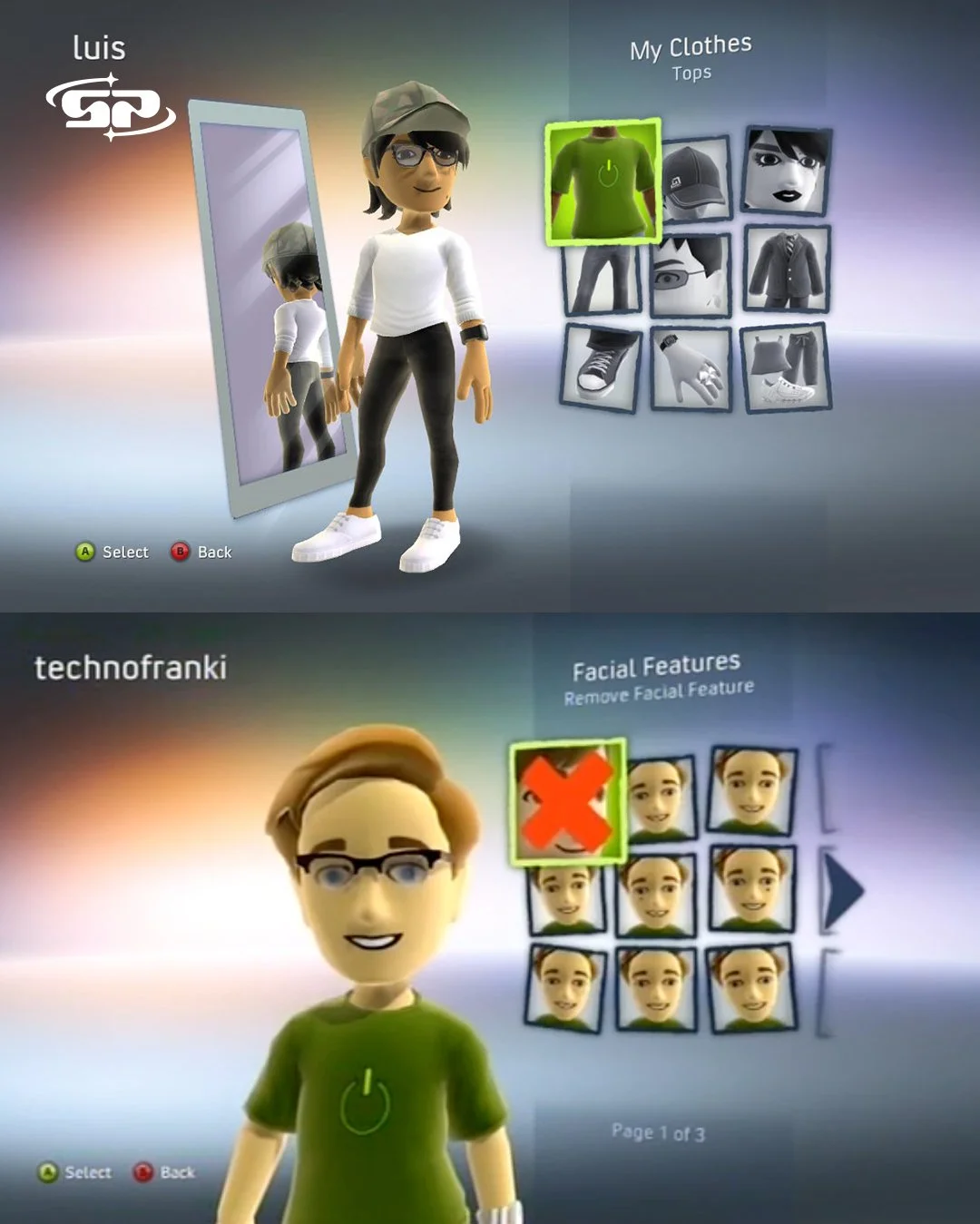
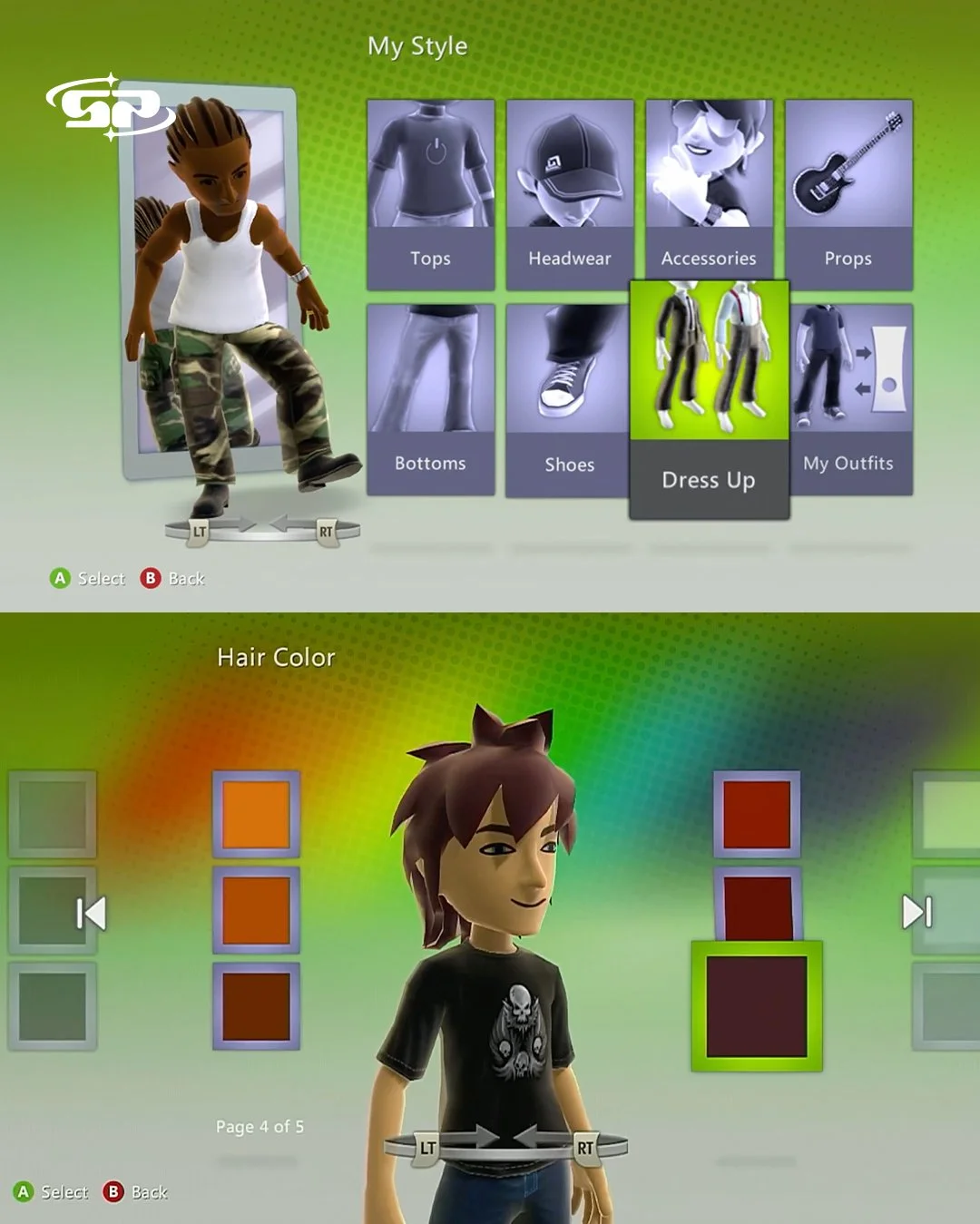
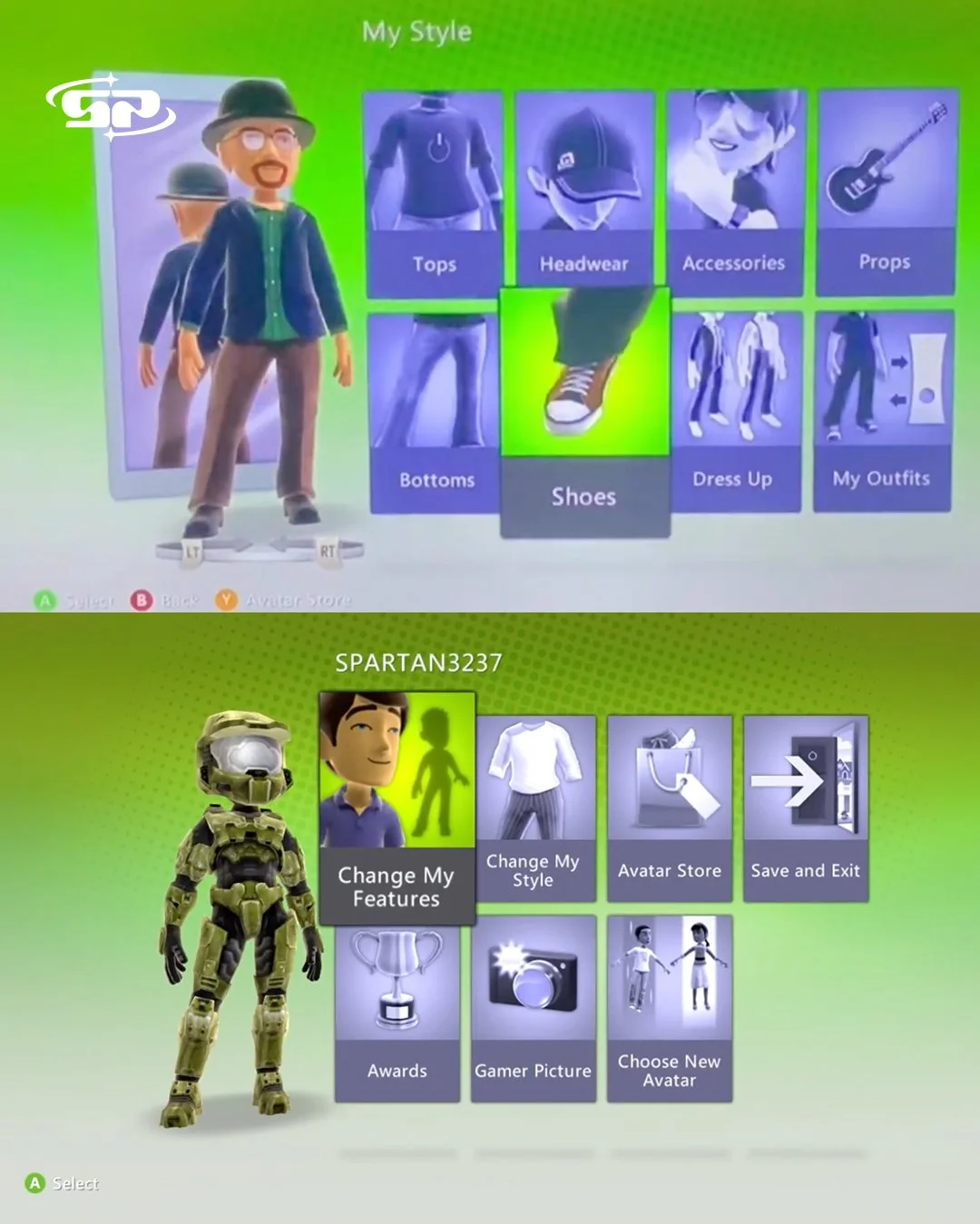
It was widely read as Microsoft's answer to Nintendo's Miis, which had launched two years earlier on the Wii, though Rare's version leaned more toward detailed personalization than Nintendo's simplified caricatures.
Avatars weren't limited to menus and gamercards. Scene It? Box Office Smash launched in October 2008 as the first game built around fully playable avatars, ahead of the NXE update itself. Existing Xbox Live Arcade titles, UNO, Bomberman Live, Hardwood Hearts, and Hardwood Spades, were updated to bring avatars into their lobbies and menus, and later titles like 1 vs. 100, A Kingdom for Keflings, Doritos Crash Course, and Kinect Sports used them as actual playable characters. In 2011, Avatar Kinect took it further, placing your avatar in 3D virtual spaces where motion tracking let it mirror your movements and expressions in real time, closer to inhabiting the character than just dressing it.
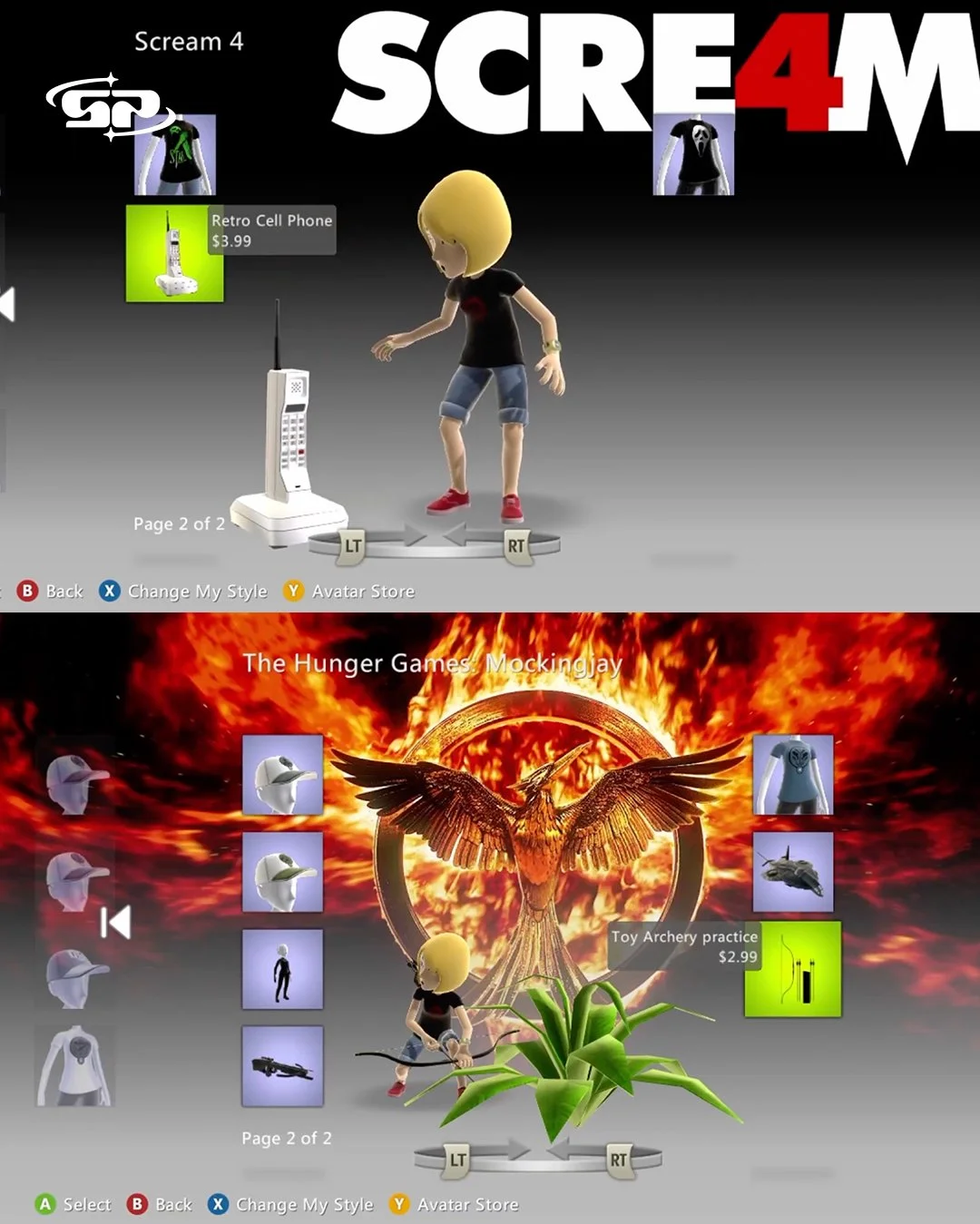
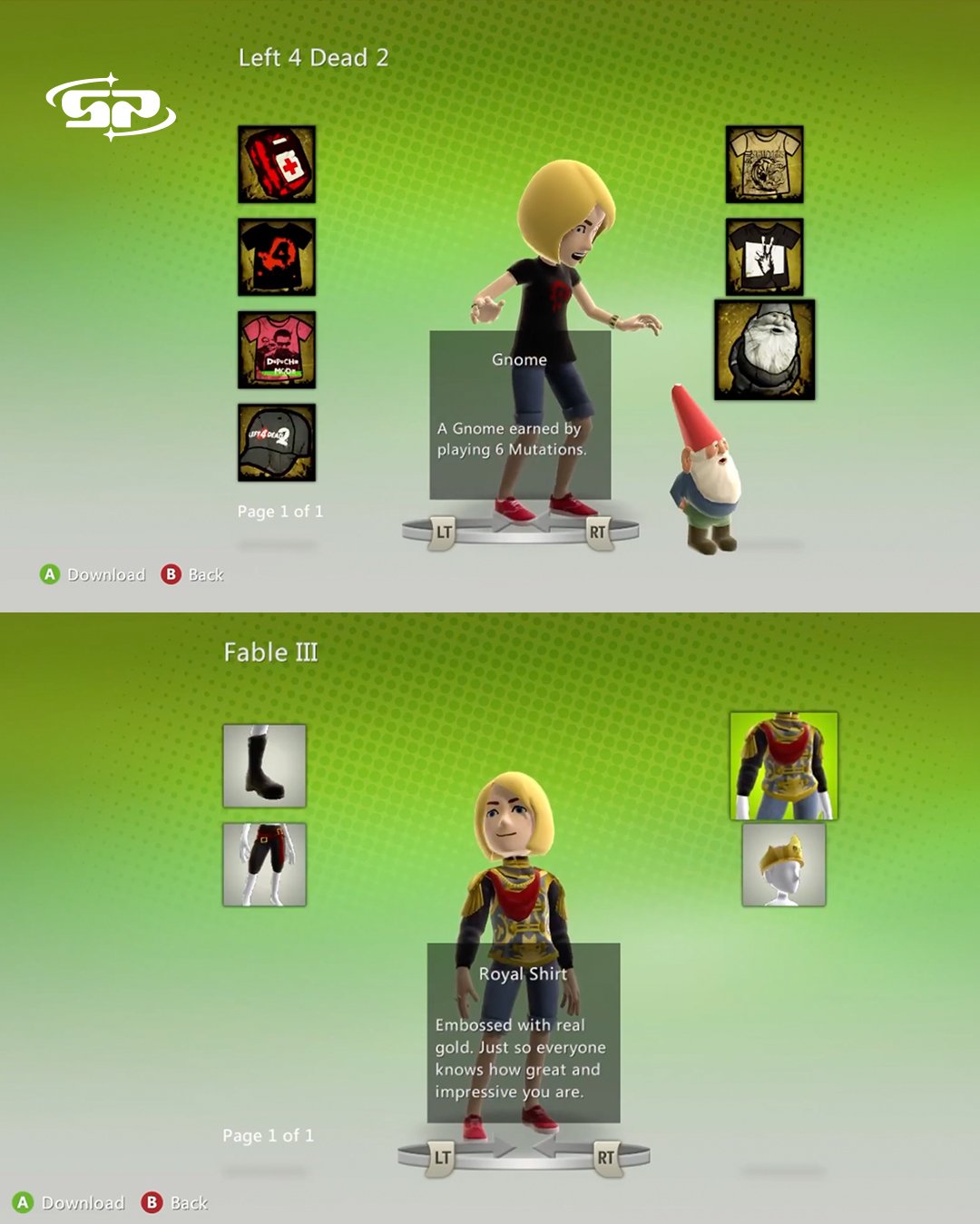
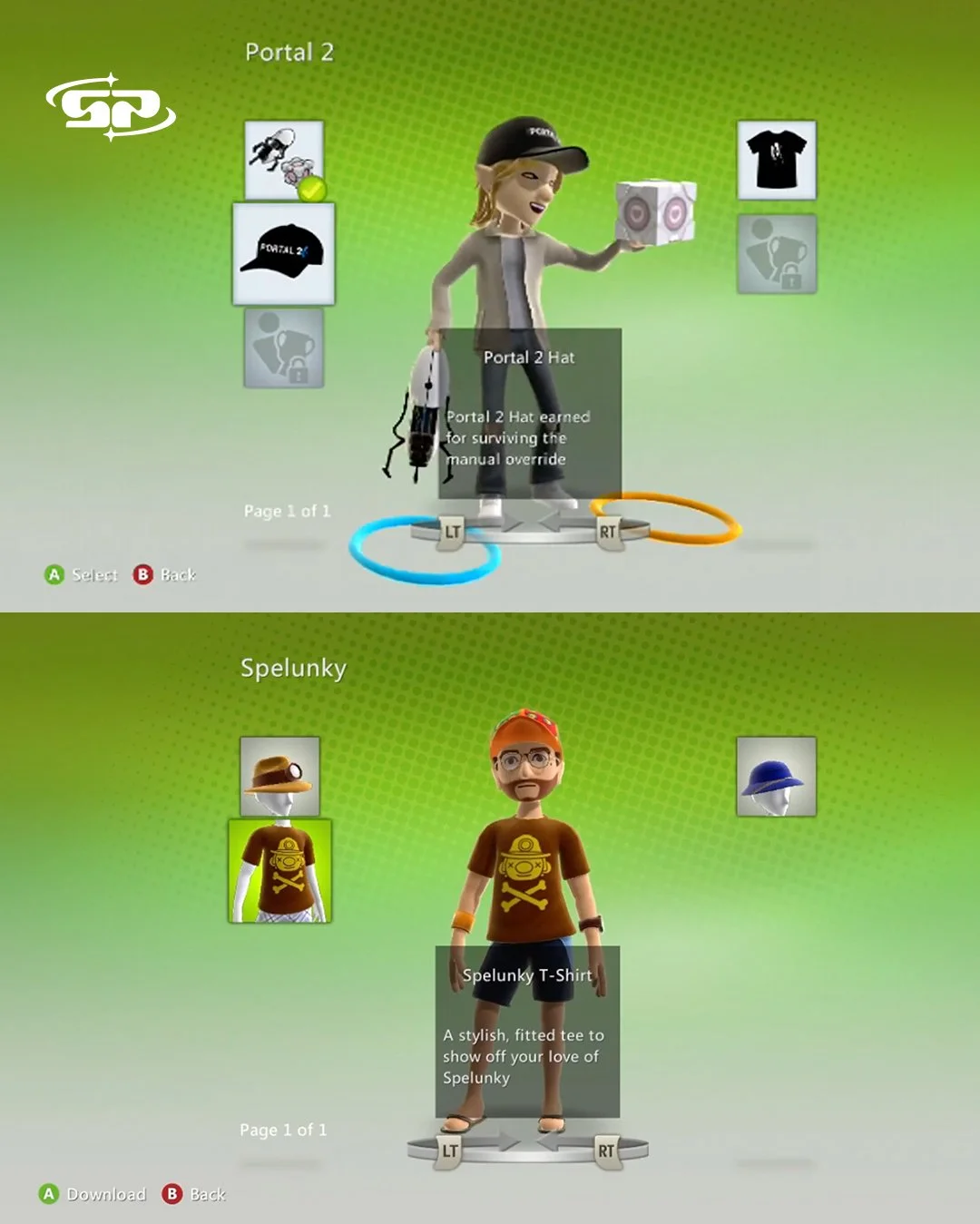
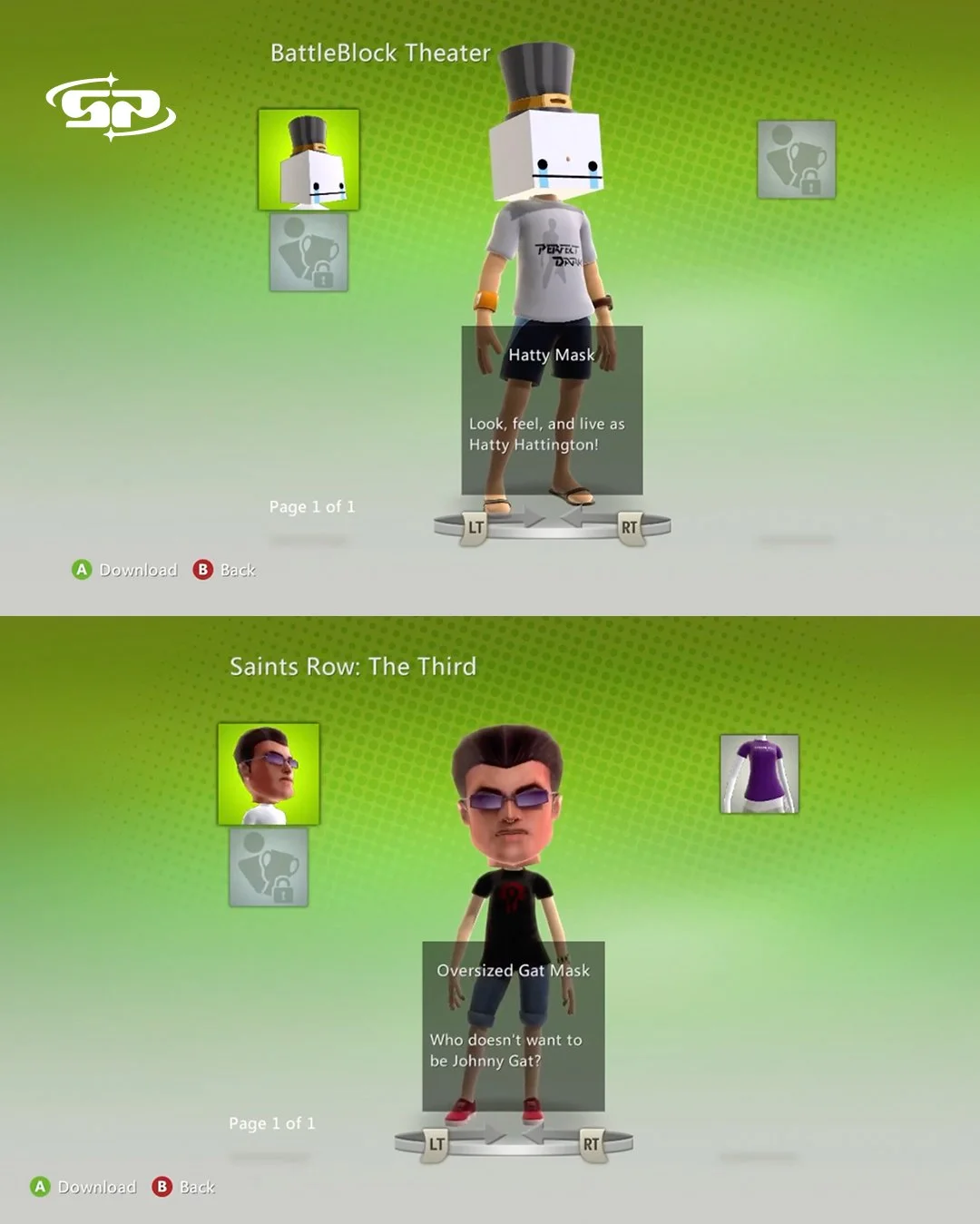
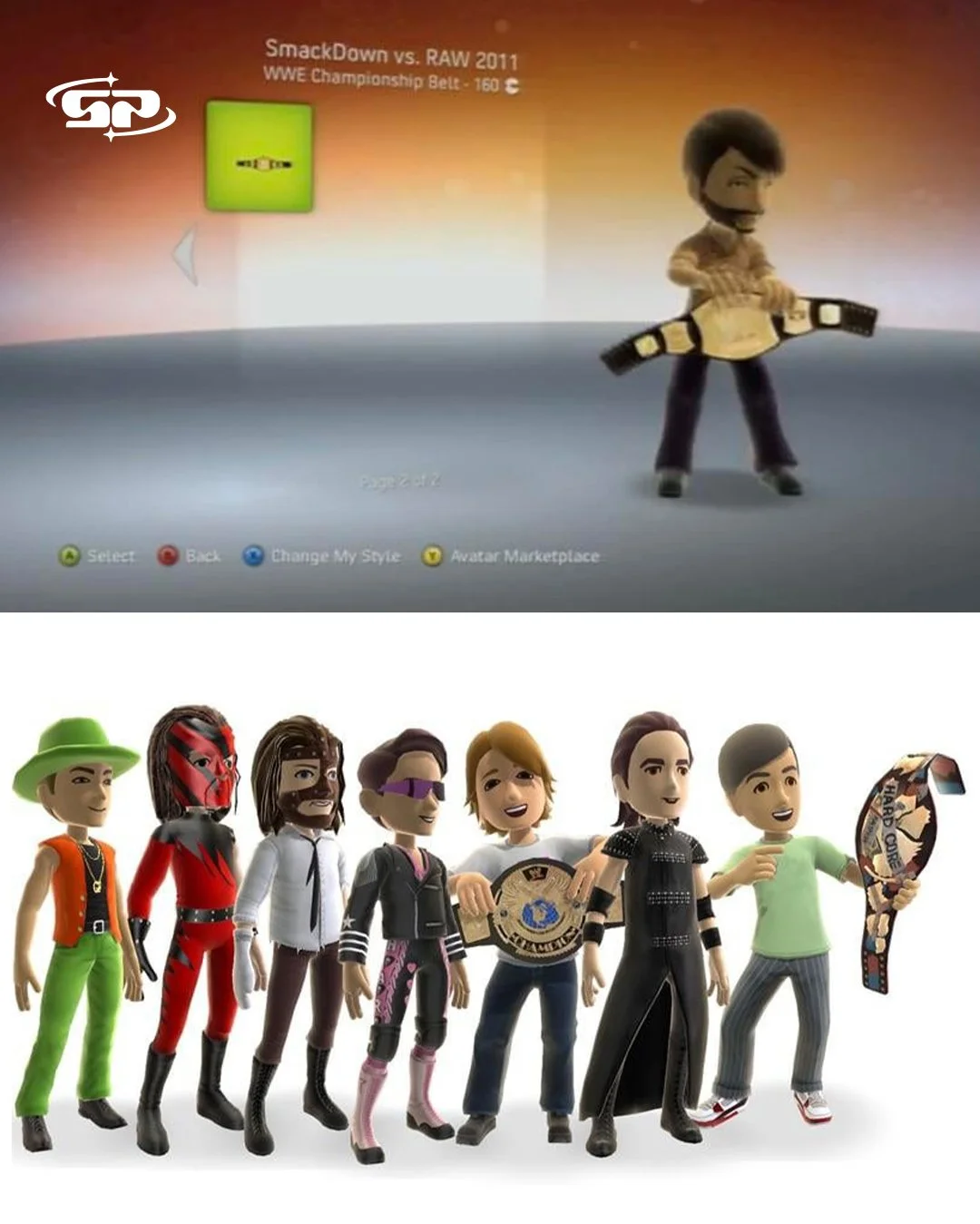
The Avatar Marketplace turned that decoration into its own business. Branded clothing lines included Roxy, Quiksilver, Adidas, Tokidoki, Billabong, and Burton, alongside an NBA Collection and an NFL Avatar Store. Game-branded gear pulled from Monkey Island, BioShock 2, BattleBlock Theater, Fable 2, Gears of War 2, Halo, Splinter Cell Conviction, and Star Wars. It was a real-money storefront built entirely around dressing a cartoon that represented you online, years before that became standard practice in gaming.
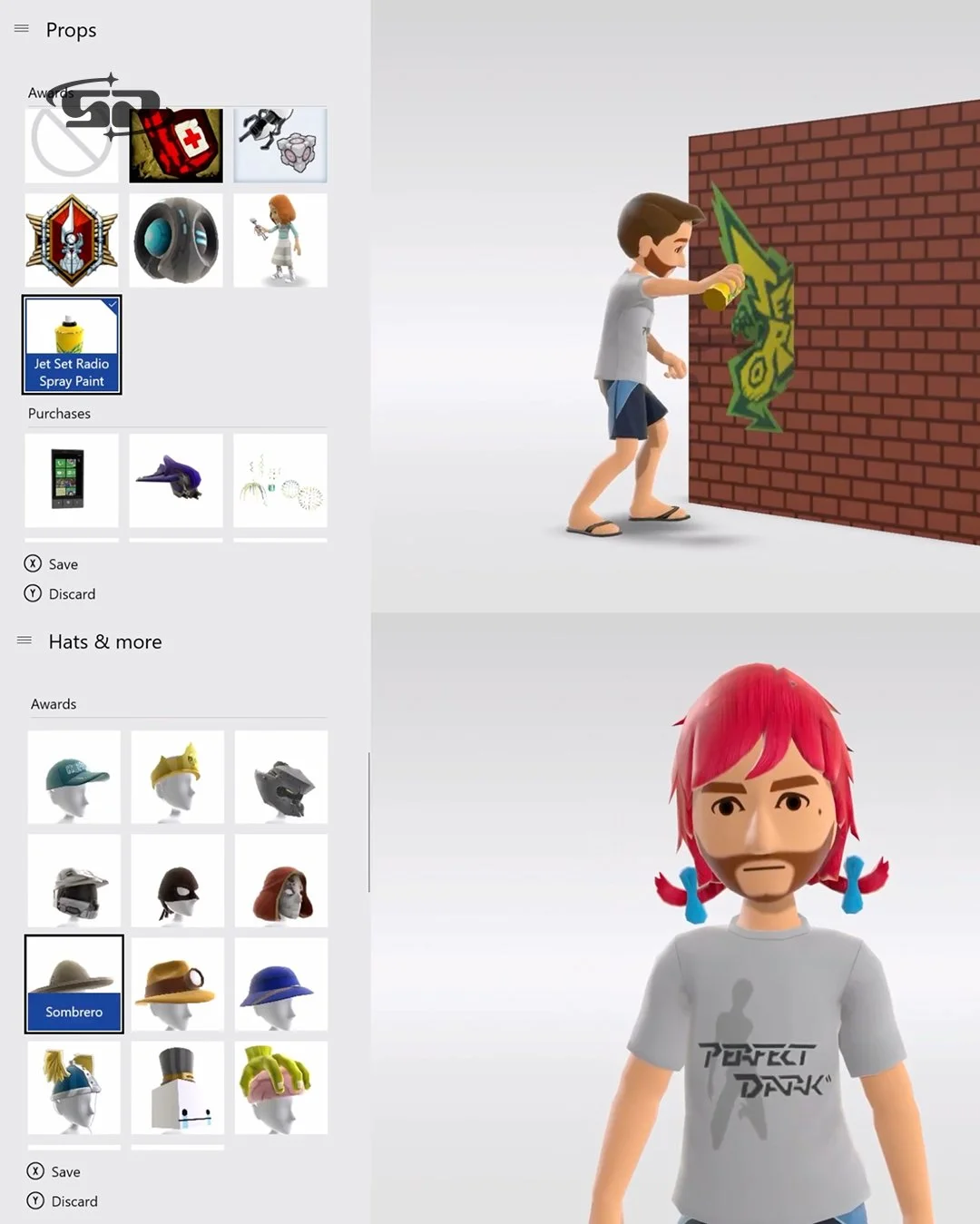
Microsoft rebuilt the whole system for Xbox One, unveiling the redesign at E3 2017 and launching it in 2018. It never found the same footing. The new avatars traded the original's stylized proportions for a realism a lot of longtime users found harder to connect with, more uncanny than charming, and the games and brands that once built around the 360 version mostly didn't follow. Microsoft discontinued the Xbox One editor in January 2025, citing low engagement. The 2008 originals, now officially called Xbox Original Avatars, are still running.